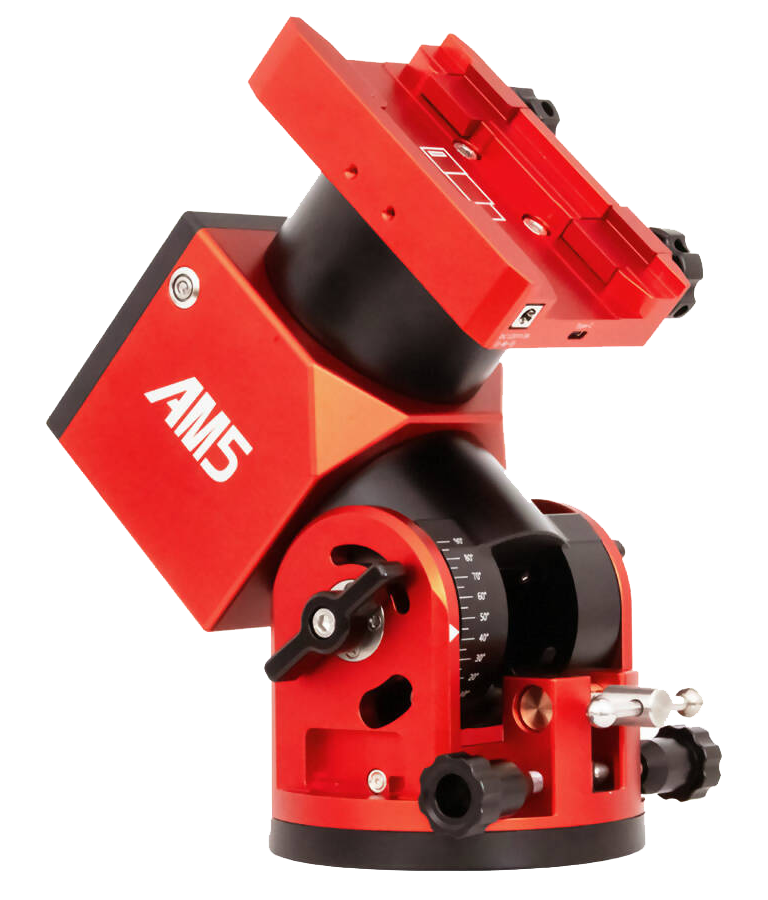
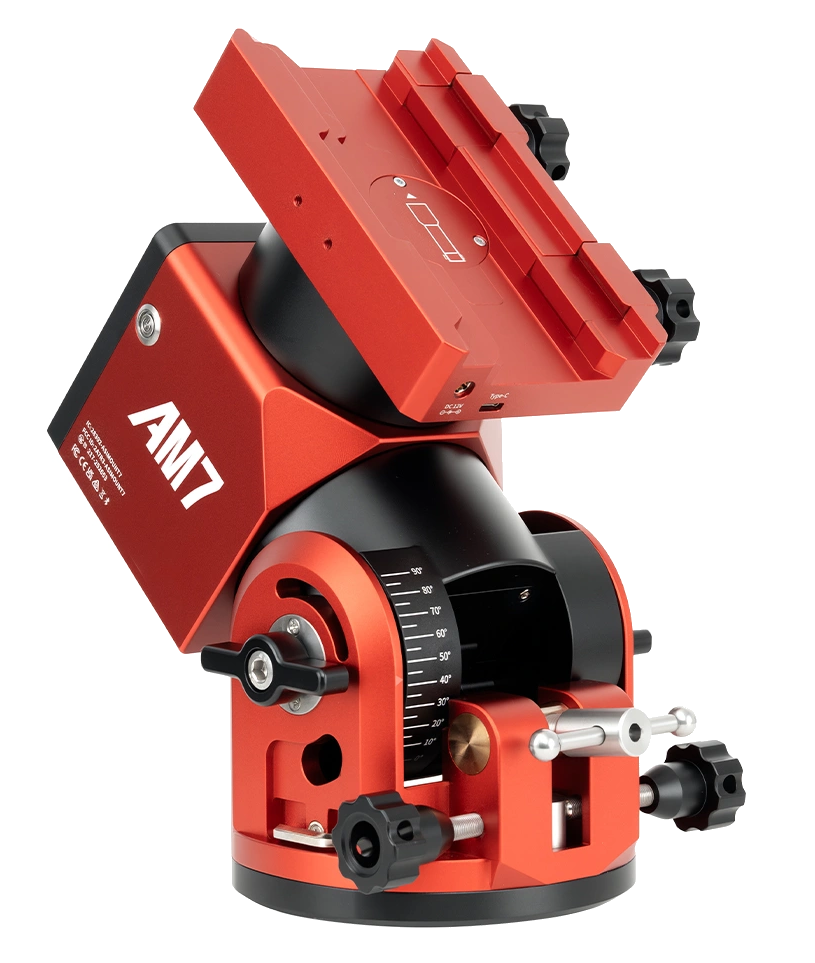
The world of astrophotography has changed enormously over the past decade. Cameras have become more sensitive, mounts more precise, and automation far more accessible. Smart telescopes have opened the hobby to people who might never have considered investing in a traditional astrophotography setup. Meanwhile, the wealth of information available online has made learning the fundamentals easier than ever, reducing the need for years of trial and error.


Dedicated
Remote Observatory
No Up-front costs & a simple monthly hosting charge.
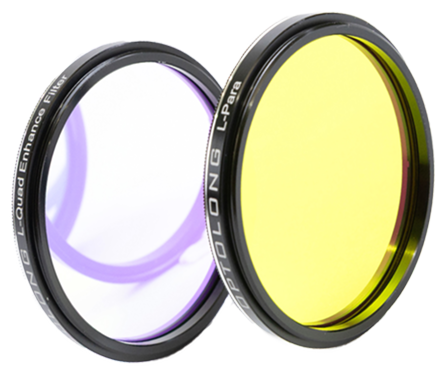
OPTOLONG
L-Para L-Quad
Enhance Filter
Conquer Light Pollution with this Optolong Dual-Combo Filter Set!
Malaysia Official Dealer
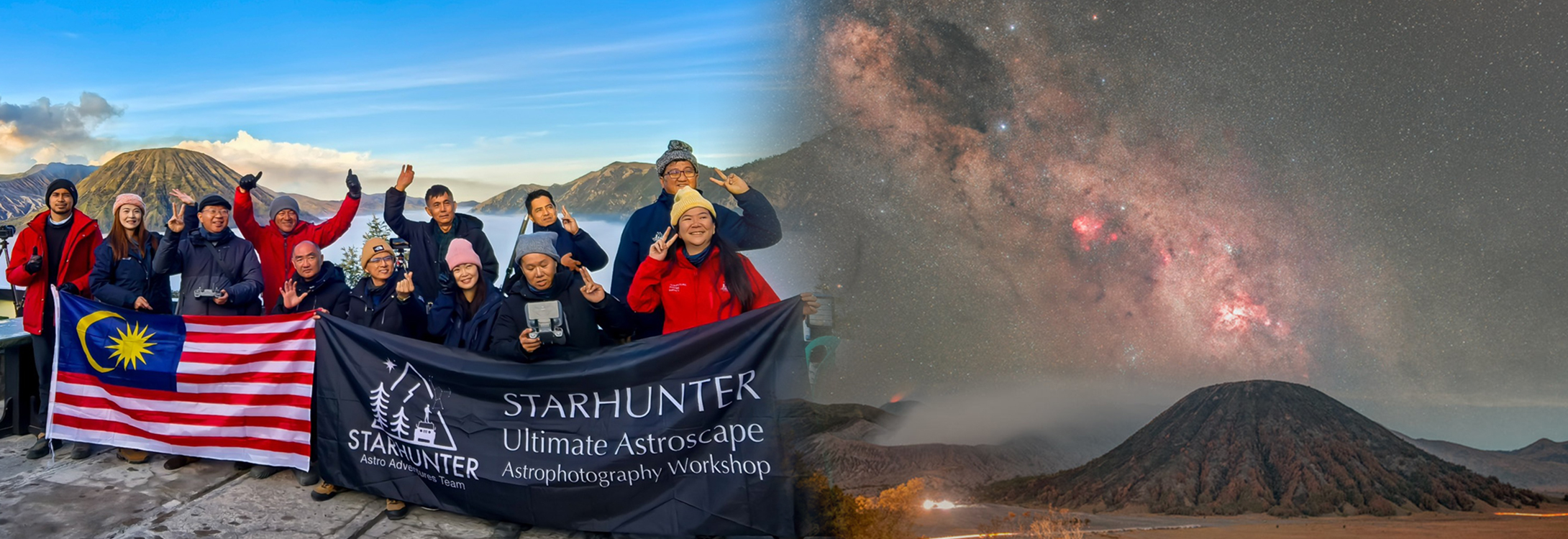
Astro Expedition
& Workshop
Explore top dark sky parks worldwide
and discover the night sky.

In astrophotography and astronomical research
One challenge remains beyond the reach of technology
One challenge remains beyond the reach of technology
Weather and Light Pollution
In astrophotography, having the right equipment and technical knowledge is only part of the equation. Access to suitable skies, at the right time, is just as important.
Yet, one challenge remains beyond the reach of technology: the weather and light pollution.
Learn More
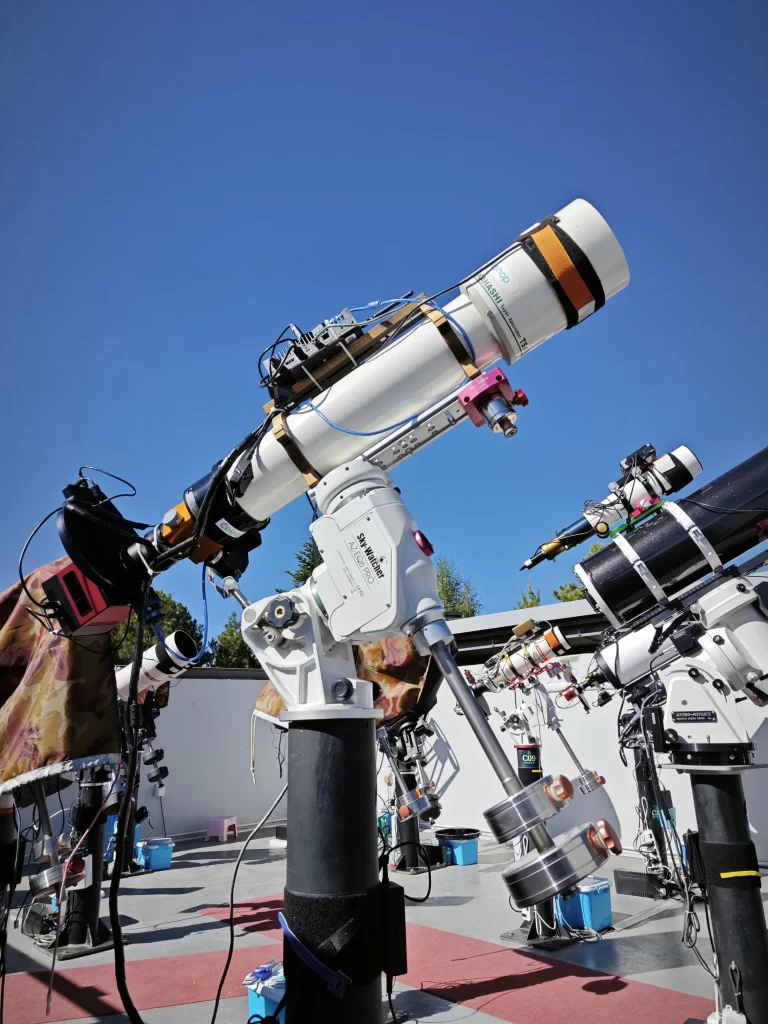
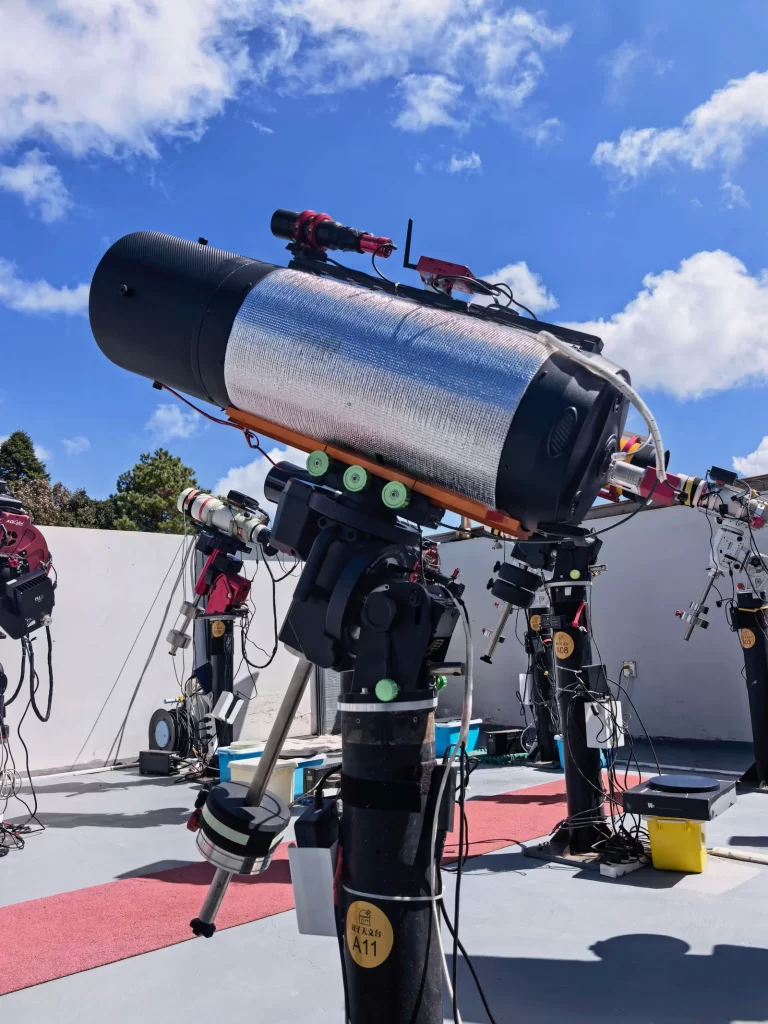
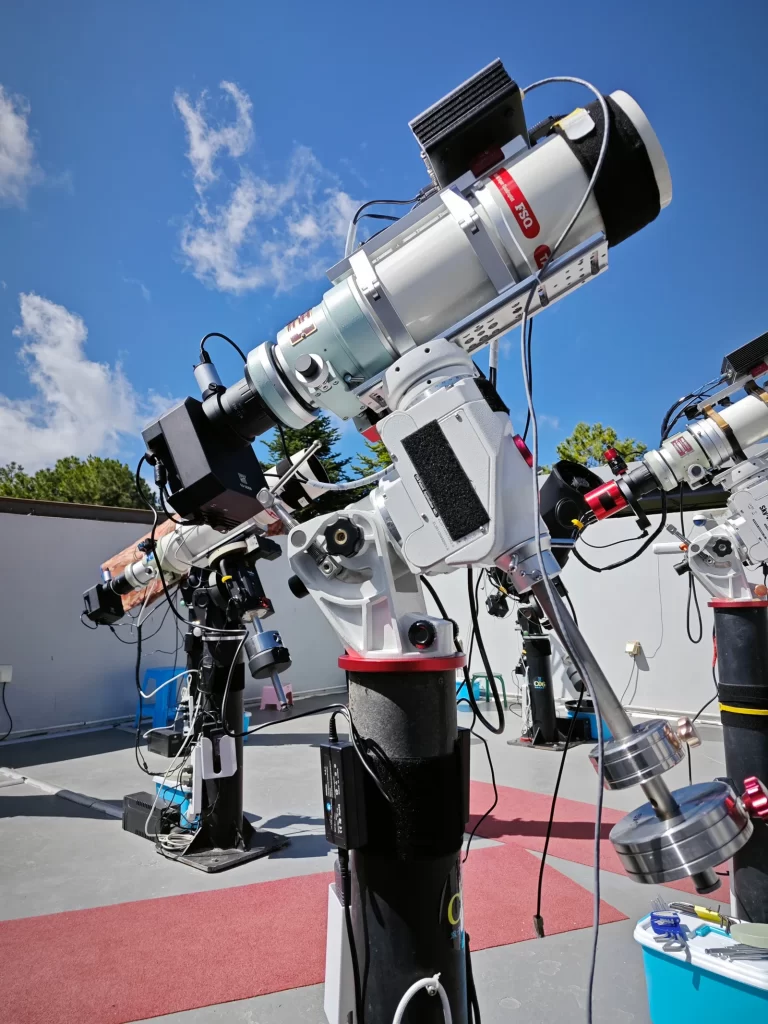
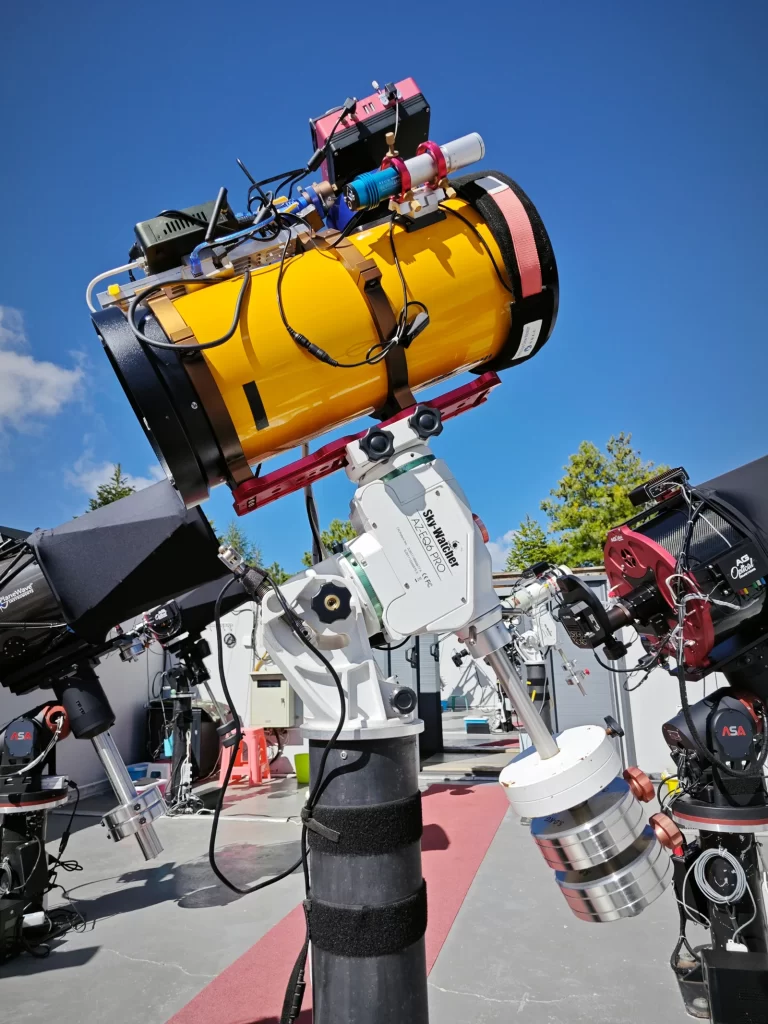
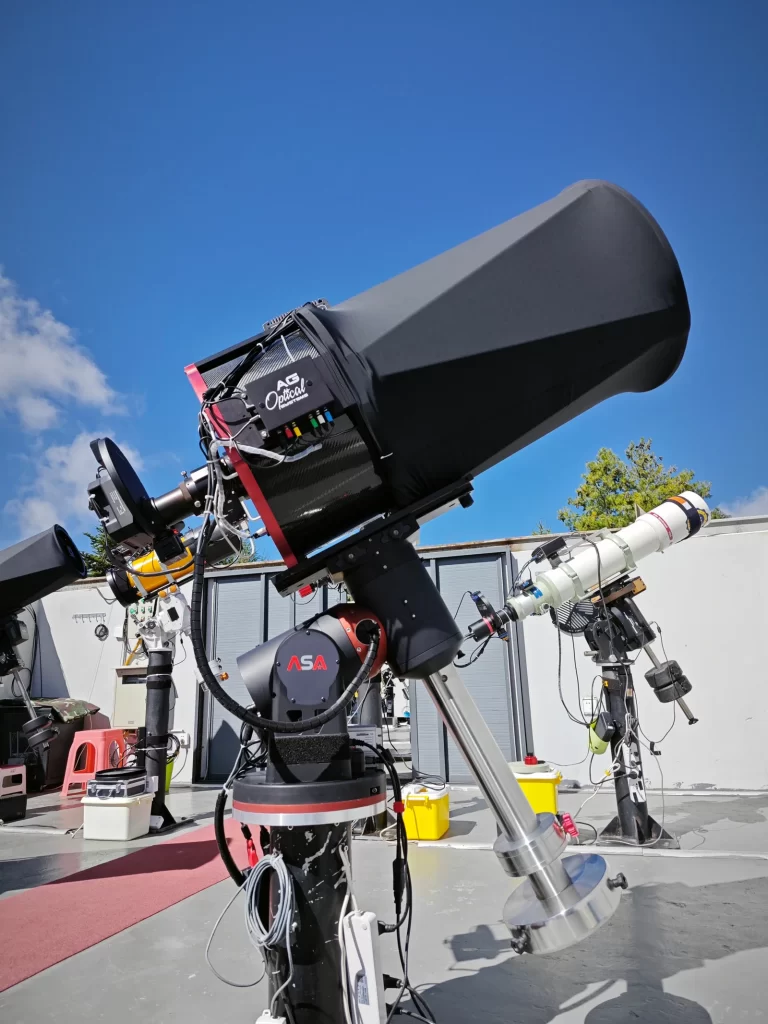
How Remote Hosting Works?
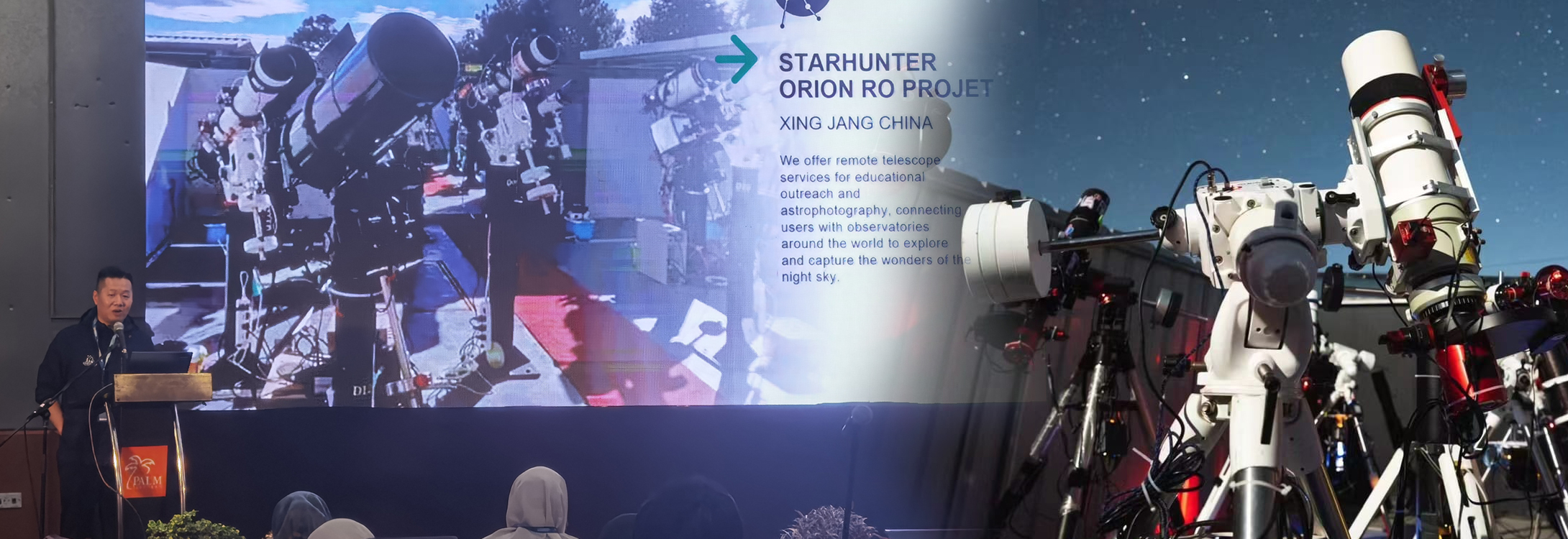
As technology continues to advance and remote hosting becomes increasingly accessible, more astrophotographers and amateur astronomers are turning to remote observatories to take their craft and research to the next level. Access to pristine, darker skies, a higher probability of clear weather, and the convenience of operating equipment from home make remote astrophotography an increasingly attractive option for both astrophotographers and researchers.
Step 1
Measure the System
Measure the total space required for your telescope and mount, ensuring sufficient room for setup, movement, and safe operation.

Step 2
Reserve Your Pier
Secure your spot with a reservation deposit. Observatory piers are allocated on a first-come, first-served basis.

Step 3
Ship Your Gear
Ship your equipment to Starhunter or drop it off in person. We’ll coordinate the arrangements with you either way.

Step 4
We Install and Align
Our on-site team installs your rig to your exact specs, polar aligns it, connects everything, and tests it onsite.

Step 5
Control It Remotely
Control your telescope remotely from home over the internet.
Remote Astrophotography & Scientific Research
As technology continues to advance and remote hosting becomes increasingly accessible, more astrophotographers and amateur astronomers are turning to remote observatories to take their craft and research to the next level. Access to pristine, darker skies, a higher probability of clear weather, and the convenience of operating equipment from home make remote astrophotography an increasingly attractive option for both astrophotographers and researchers.
What Remote ClearSky Does
We provide access to a network of remote observatories equipped with high-quality telescopes, precision mounts, and advanced imaging systems, enabling users to capture the night sky without the limitations of their local weather or light pollution.
Our key strengths include:
- Exceptional Value: Access imaging time with our Askar 106mm telescope for RM120 per hour, or enjoy rates as low as approximately RM2.50 per hour of nighttime operation through monthly rentals.
- A Wide Range of Equipment: Choose from telescopes ranging from 4-inch refractors to 17-inch CDKs, with focal lengths spanning 300 mm to 3,000 mm, featuring quality optics and imaging sensors to suit a variety of astrophotography goals.
- Flexible Access Plans: Submit an Imaging Request to obtain images based on your required exposure time, rent a telescope monthly for 1–11 months, or explore long-term hosting options of 12–36 months where available.
- A Global Time-Zone Advantage: Astronomers and astrophotographers in Europe and North and South America can operate our telescopes during their local daytime, allowing imaging sessions to run while they work, rest, or spend time with family.
2. Premium Astronomy Equipment Retail
Beyond remote imaging services, Remote ClearSky also serves the global astronomy community through the retail of premium astrophotography equipment.Our online store offers a carefully selected range of telescopes, mounts, cameras, filters, and accessories from leading astronomy brands, catering to everyone from dedicated hobbyists to advanced astrophotographers and research observatories.
By combining technical expertise with practical, real-world astrophotography experience, we help customers make informed equipment choices and build systems suited to their goals, whether for a home observatory, a remote imaging setup, or a research-grade facility.
Observatories provide unmatched access for education, research, and astrophotography.
At Remote ClearSky Observatory by Starhunter, we are driven by a passion for innovation and a commitment to making astronomy more accessible. Through remote robotic telescopes, we aim to empower more people to explore the universe, advance astronomical education, and inspire the next generation of scientific discovery.
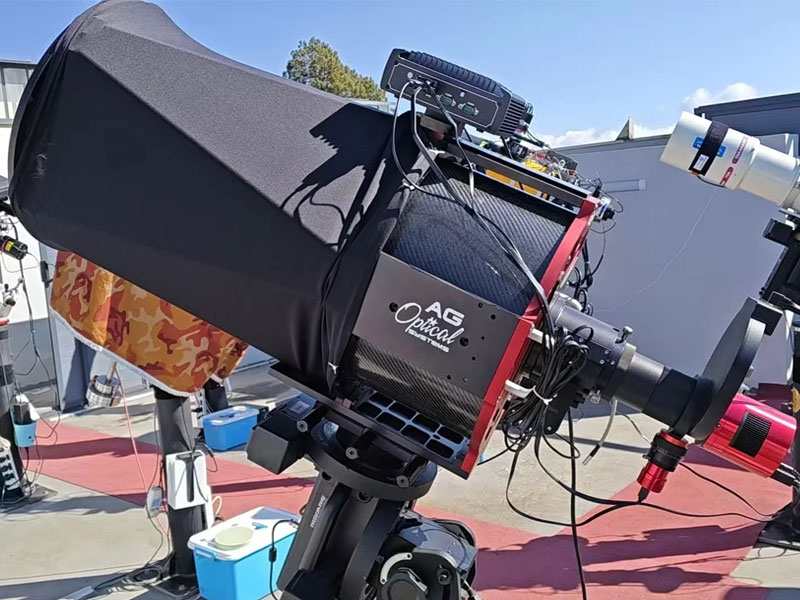
Scientific Research
Advance astronomical research through state-of-the-art remote robotic telescopes, enabling scientific observations, data collection, and discoveries beyond geographical boundaries.
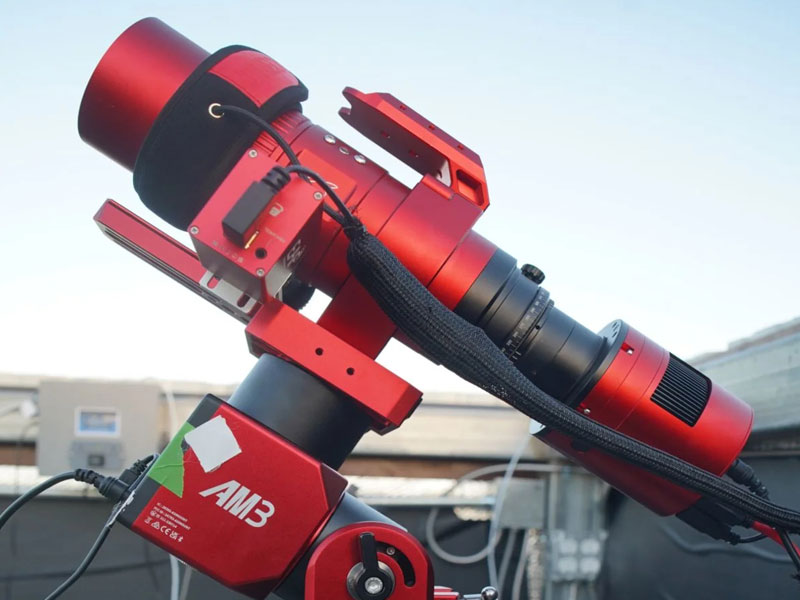
Astrophotography
Capture the wonders of the universe through fully managed remote imaging services, with access to pre-configured telescopes at carefully selected dark-sky locations.
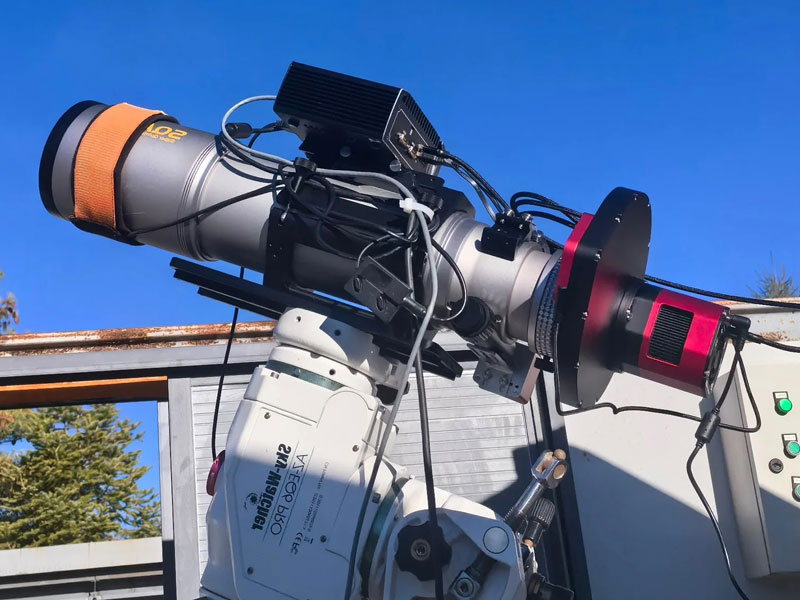
AstroStem Education
Expand access to astronomy by empowering researchers, educators, and students through remote telescope access, hands-on learning, and technology-driven educational experiences.